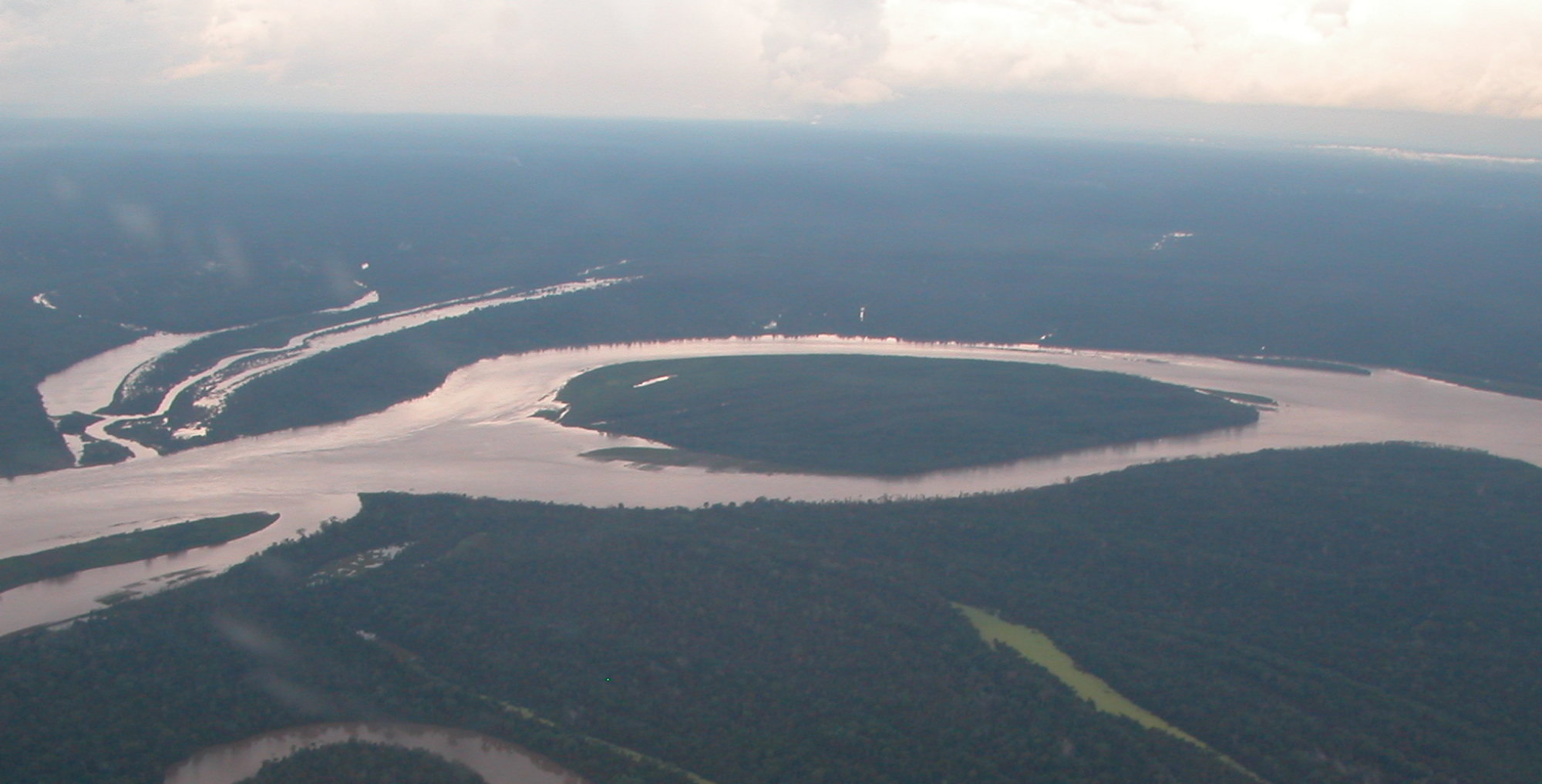

From July 29 to August 1, a visual inspection was conducted by OSINFOR (Supervisory Body for Forest Resources and Wildlife). The inspection covered infrastructure (control posts, equipment, and other materials), trails, and boundaries, as well as the two aguaje (Mauritia flexuosa) palm sectors designated for use this year. The inspectors were impressed by the number of aguaje palms bearing fruit, as well as the exceptional work performed by the forest rangers in clearing trails and conserving biodiversity. Additionally, black caimans (Melanosuchus niger), nests of yellow-spotted river turtles (Podocnemis unifilis), and a wide variety of monkeys and birds were observed.


This inspection was also intended to cover the Maquia sector; however, due to low river levels in the Yanayacu sector, OSINFOR decided to limit the inspection to that area alone. Before reaching Lake Ampicocha (adjacent to the concession), our boat ran aground on sandbanks several times, requiring us to push it free in order to continue.
Despite the drought currently affecting the Amazon rainforest, it is encouraging to note that the forests within the Yanayacu-Maquia Nature Reserve retain their moisture, thanks to their dense, intact canopy. The absence of deforested areas allows the forest to protect itself and generate the humidity necessary to prevent forest fires.From July 29 to August 1, a visual inspection was conducted by OSINFOR (Supervisory Body for Forest Resources and Wildlife).