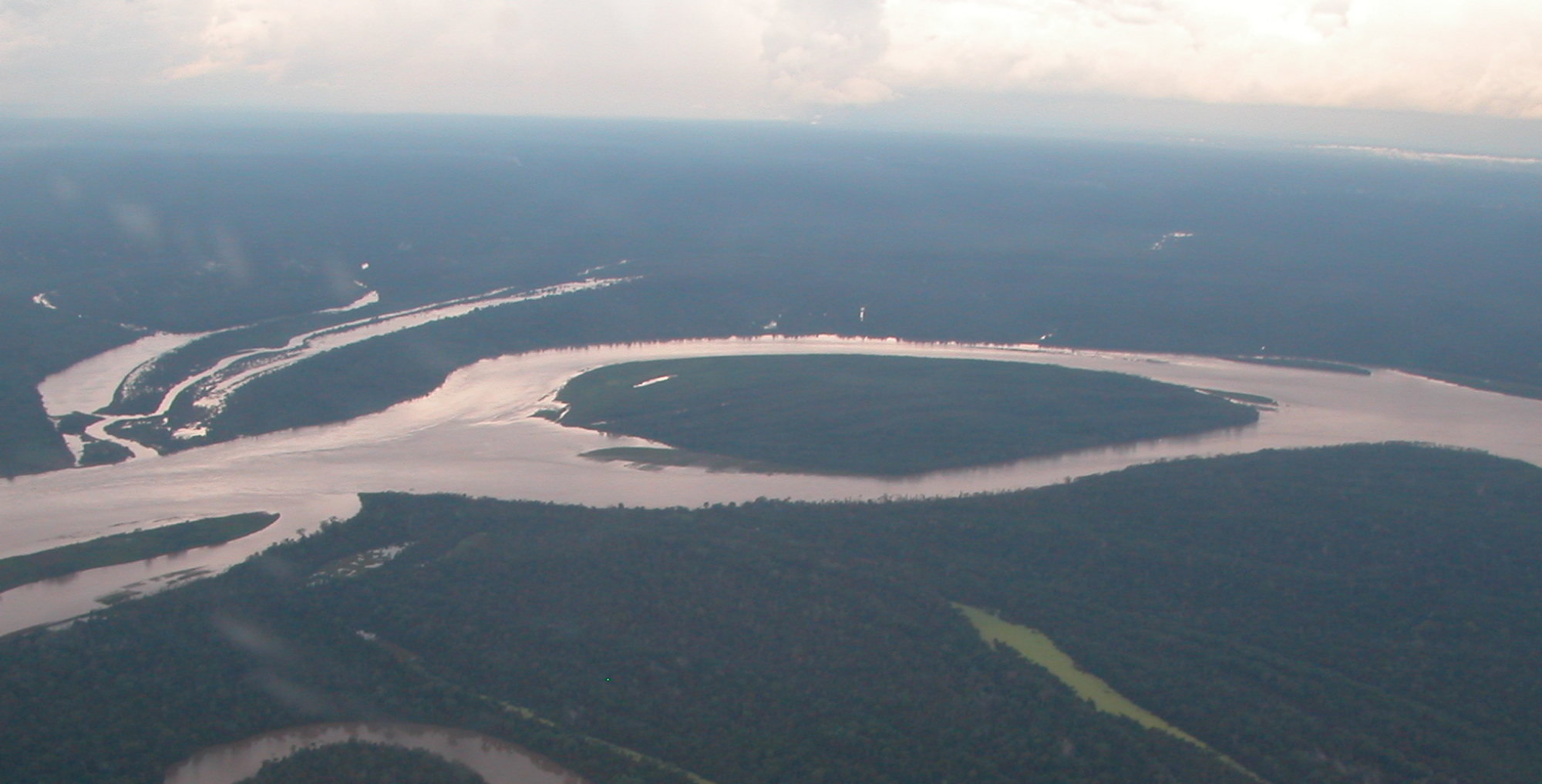

The protected area covers 38,699 hectares of tropical forest and is divided into two sectors: the Río Maquîa sector and the Río Yanayacu sector. Patrols have been carried out periodically, following regular routines that cover both the boundaries of the concession and internal trails. These patrols serve to familiarize personnel with the routes while gathering important information that needs to be reported. In addition, special, multi-day patrols have been conducted. These require specific efforts and resources—addressing particular or unforeseen circumstances—and necessitate tailored planning and logistics.The purpose of the patrols is to maintain a constant presence in order to monitor, control, prevent, and mitigate threats to biodiversity and the landscape. They also serve to provide crucial information that enhances understanding of the area and guides management decisions.


In 2023, eight interventions were carried out, in addition to three evictions of offenders. These interventions generally took place before the offenders had settled on the site, making the situation less dangerous and confrontational than evictions, which occur once offenders have already established their encampments. One group of fishermen was removed, but before their eviction, they set fire to a portion of the beach where they had set up camp. Another group attempted to destroy the park rangers’ boat, which had three people on board. Their rage was such that the resulting destruction would have affected not only the conservationists’ camps but also those of the offenders themselves.
There has been an increase in the number of fishermen in the reserve. They justify their presence by claiming that fish have become scarce in the rivers, making the concession their only alternative—one that offers both a diversity and an abundance of fish. While we are not opposed to controlled fishing, it is important to highlight that many offenders use toxic substances that destroy the aquatic ecosystem. We remain strictly committed to preserving the water quality within the concession, which serves as a habitat for species such as giant otters, black caimans, arapaima, arowana, and many others.


Upon entering the protected area, intruders are often dazzled by the richness of its biodiversity—a variety of monkeys, macaws, ungulates, and more. Fifteen identified wildlife species appear on the IUCN Red List, and—according to DNA studies by Spygen—several other, as-yet-unidentified species also inhabit the area.