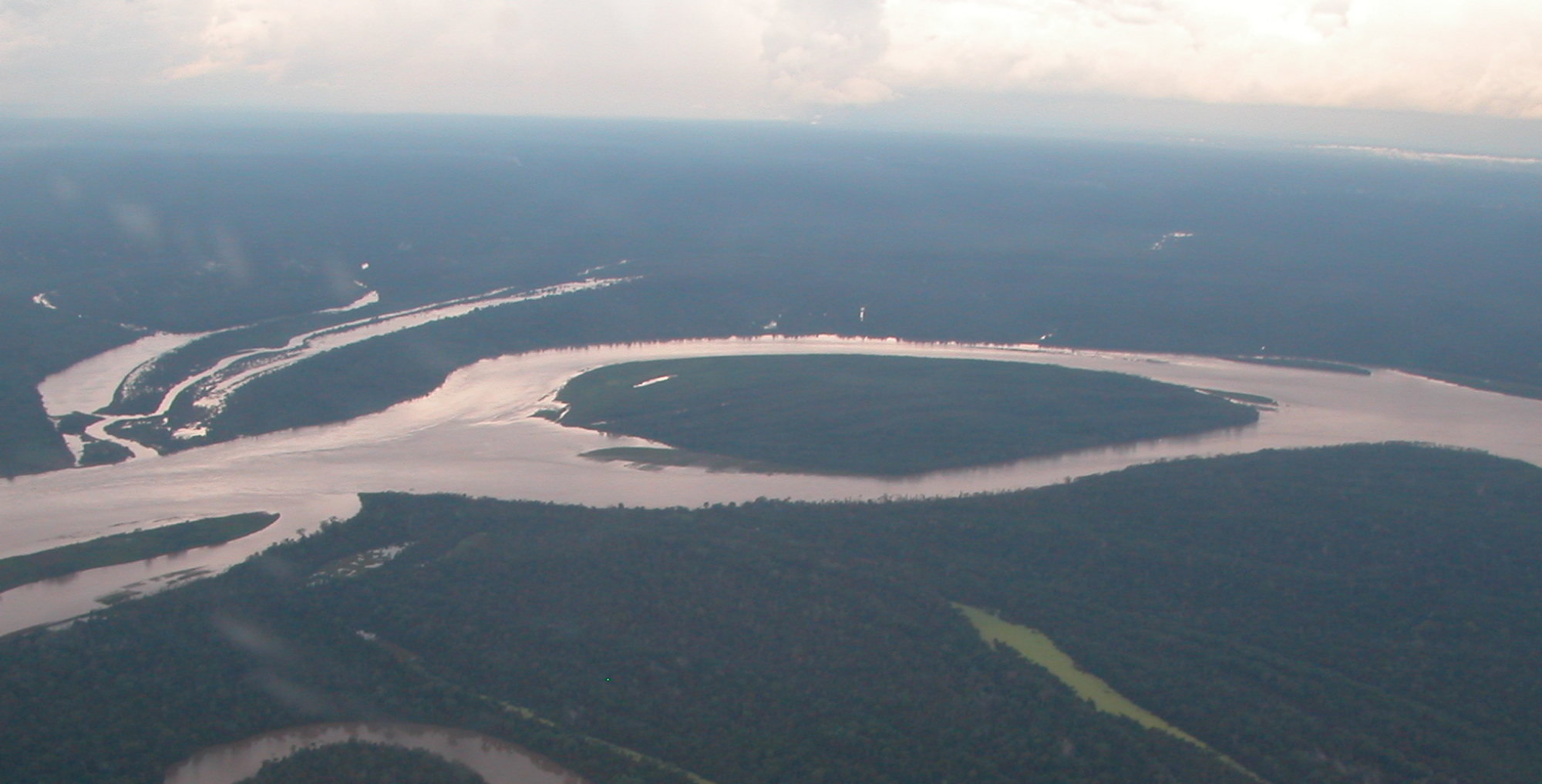

¿The “turbera”? Seguramente este término le resulte familiar… Le contamos más al respecto.
The Maquia turbera, a unique ecosystem
The Yanayacu-Maquia Conservancy, with a total surface area of 38,699 hectares, is approximately equivalent to four of Paris’s largest crops and is located in the Peruvian Amazon. Inside the concession is represented by our forest ecosystems, among them one very particular: the turbera.
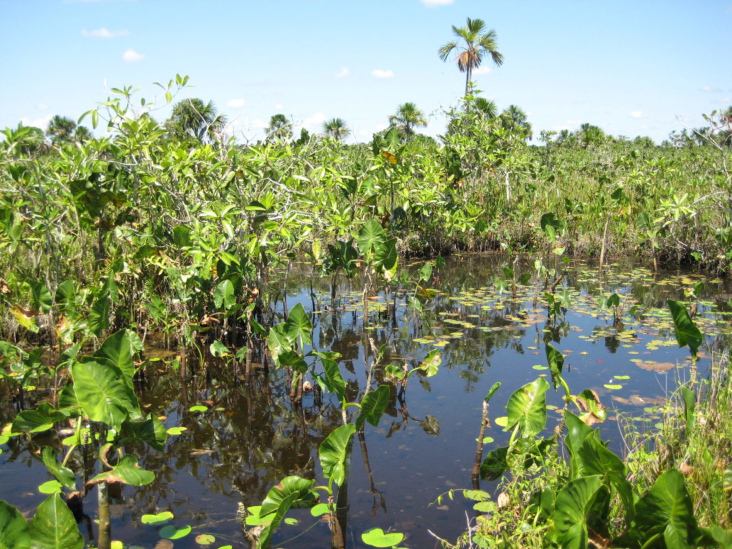
The surface area of the peatland in the Yanayacu-Maquia Concession is estimated at 7,000 ha, representing 15% of the Concession’s total area.
A turbine is an ecosystem that is characterized, first of all, by a permanently saturated water reservoir or with very little movement. This deprives the microorganisms (bacteria and fungi) — responsible for the decomposition and recycling of organic matter — of the oxygen necessary for their metabolism. Under these asfixing conditions (anaerobiosis), plant foods mineralize slowly and partially. Therefore, it accumulates gradually, forming a deposit of organic material that is poorly decomposed or does not decompose: the turba.
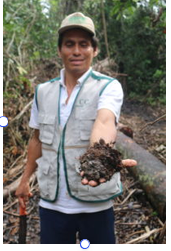
The turba, which can be considered a species of vegetable rock, is an organic source resulting from the incomplete degradation of vegetable deposits to a mediocre water saturation. It also contains a 20% carbon content (a 30% in the case of low-carbon arcillas) and can accumulate up to 20% carbon, at an average rate of between 0.2 and 1 mm over the year.
Why is it important to preserve the clouds?
Se estima que las turberas albergan, por si solas, alrededor de un tercio de todo el carbono present en los suelos del planeta. In addition, “tropical” turbines contain double carbon that covers all the forests of the world together. If a turbine is affected, the consequences of the climate change will be greater.
A functional turbera is, therefore, an ecosystem that poses:
The carbon storage capacity, which mitigates the effects of the climate change.
The capacity to regulate water flows, which helps to mitigate flooding during the rain period.
The capacity to accommodate a large variety of habitats and species constitutes a source of biodiversity.
The capacity for accumulating organic materials in its capacity only a long way from mileage allows you to recognize the pasado.
Among the rural communities that live in the area, more than 50 plant species come from this ecosystem that are used for construction, food, medicine and the formal economy. It is, moreover, a refuge for biodiversity. Therefore, apart from the number of species of species, anfibios and reptiles, the turbera Maquia alberga aguajes (Mauritia flexuosa), an arboreal species characteristic of this ecosystem in the Amazon. These trees produce abundant fruits and many nutrients that have a diverse and numerous fauna, which includes monos, tapires, pecaríes, agutíes, guacamayos, among others.
Aliados clave on the earth for the scientific sequence
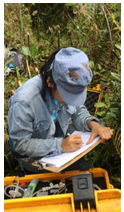
Since 2015, the University of Arizona (United States) collaborated with the Concesión en el studio de la turbera Maquia. Its scientific team, led by Hinsby Cadillo, focused especially on the dynamics of the carbon flows in the soil and the vegetation of the turbera. In June of 2019, parks and local communities will build a forest base around the turbera to support scientific teams during camp work. The team of the University of Arizona, with the support of our new Peruvian sociologists from the National University of the Amazon Peruana, is planning to carry out a specific studio for the finals of July 2019. We hope to see the results!
To deepen more through the images, see the micro-reports recorded on the ground by our teams.