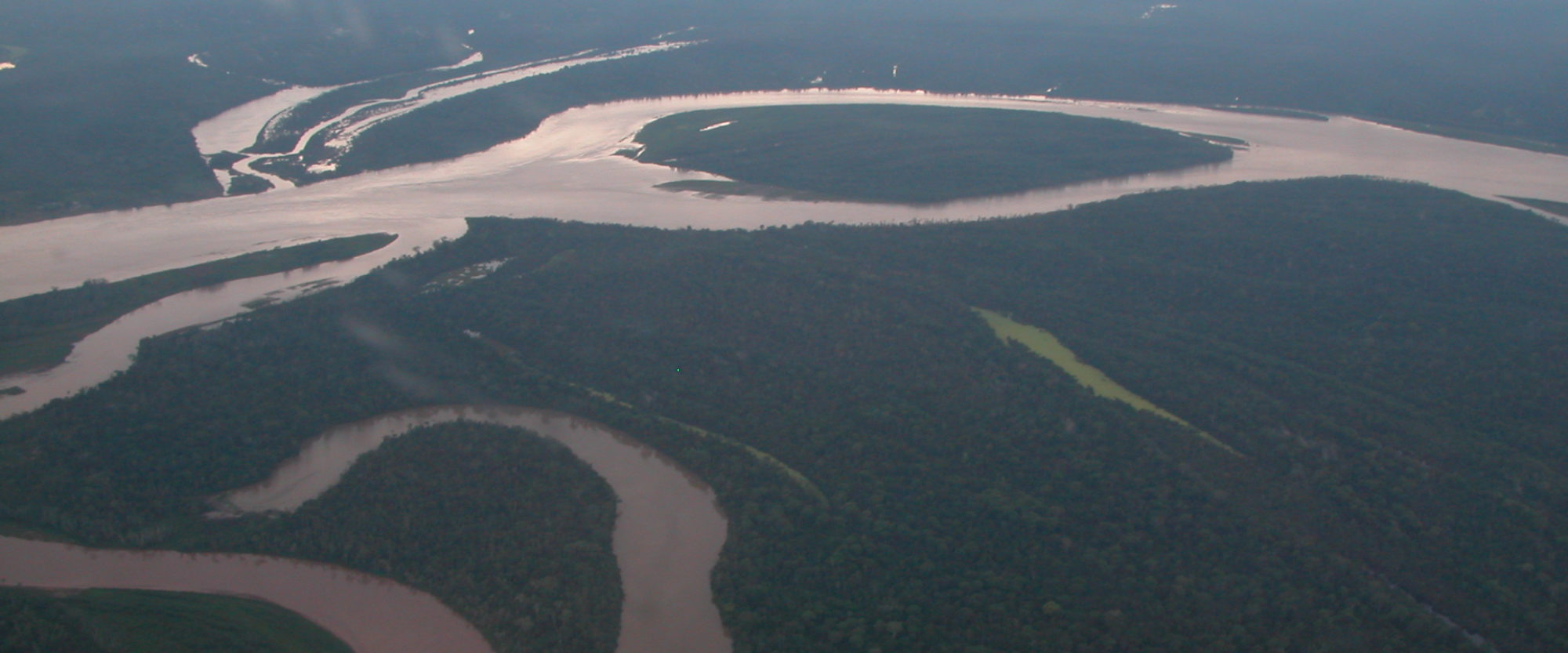

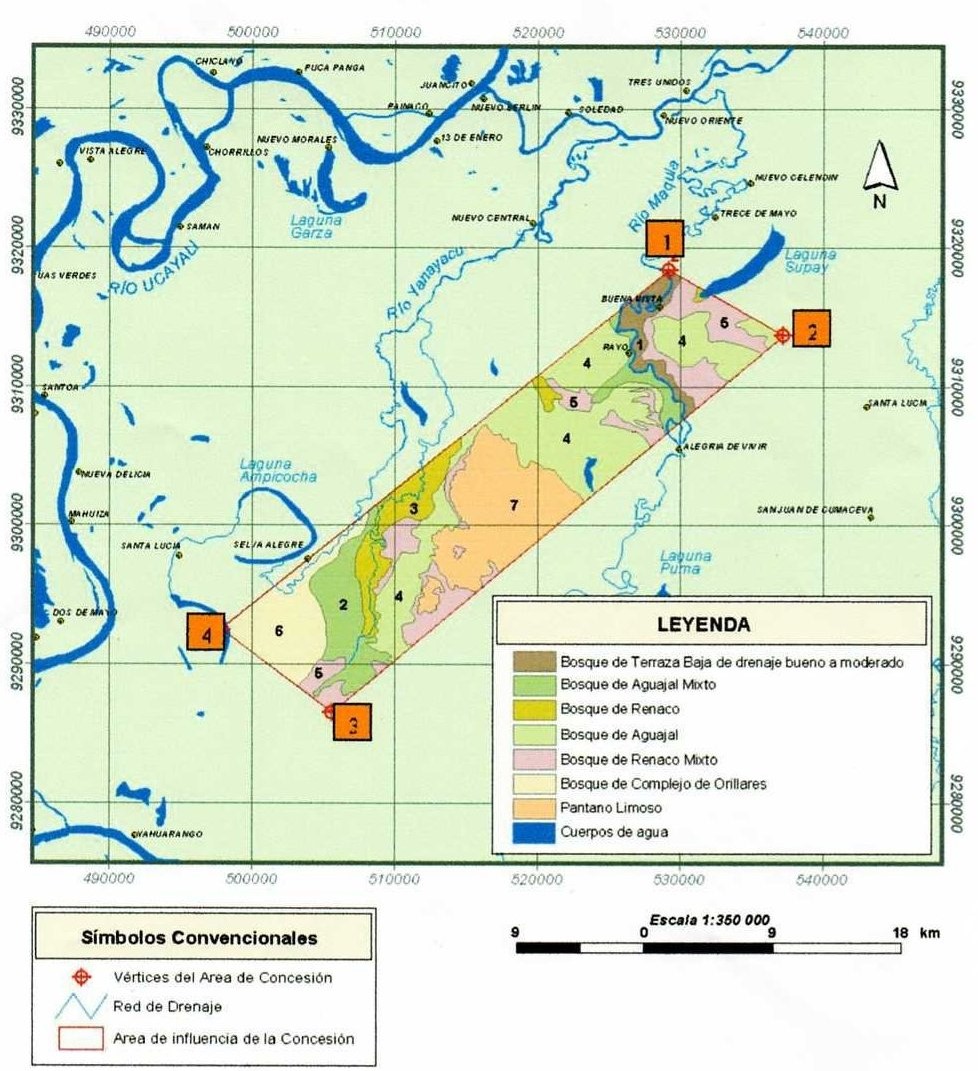
Amazonian Biodiversity is a French non-profit organization (under the 1901 law) founded in 2004 by Lotty Morey, its president. In 2006, the Peruvian government granted it the Yanayacu-Maquia conservation concession for a renewable 40-year period. The organization's objective is to combat deforestation and protect the Yanayacu-Maquia conservation concession, a 38,699-hectare area of rainforest located between the Yanayacu and Maquia rivers in the Loreto department of the central Peruvian Amazon.
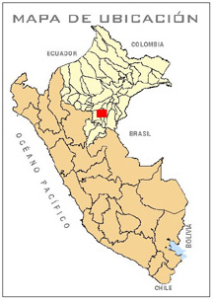
Map of the concesion Yanayacu Maquia
The entire territory forms a highly biodiverse ecosystem. Several iconic or rare species are represented: pink and grey dolphins, giant otters, manatees, black caimans, 17 varieties of monkeys, among other endemic and endangered species.

Since its creation 17 years ago, the Yanayacu-Maquia conservation concession has played a crucial role in:

• Combating climate change: the concession includes 23,150 hectares of Aguajal (Mauritia Flexuosa), each hectare capturing approximately 640 tons of carbon.
• Protecting biodiversity: 7 types of tropical rainforest have been identified, and numerous species listed on the IUCN Red List are present: pink river dolphin (Inia geoffrensis), giant otter (Pterona brasiliensis), mata-mata (Chelus fimbriatus), etc.
• Develop sustainable management of natural resources for and by communities (agroforestry, fishing, beekeeping, etc.)