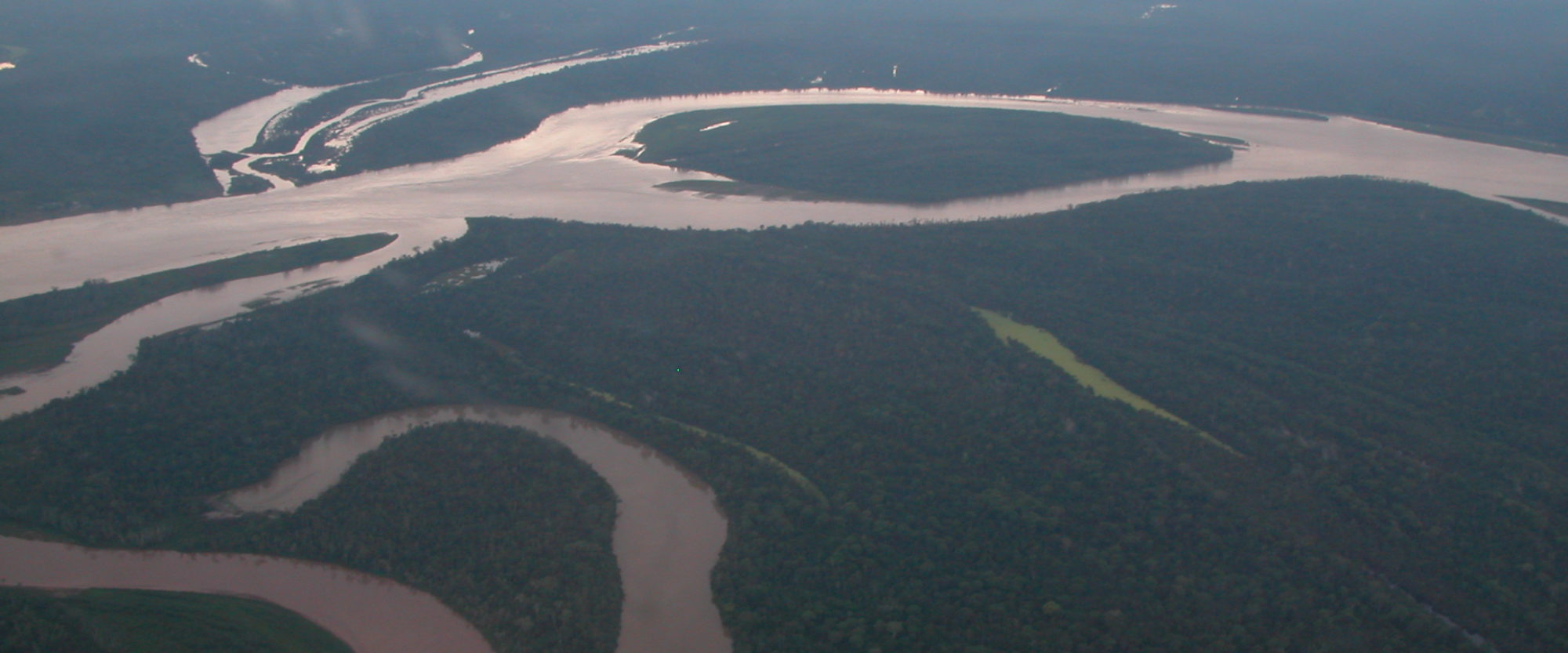

Bees are true guardians of biodiversity. Their role as pollinators is fundamental to the maintenance of ecosystems and is a key element for human food security.
Aware of their importance, a team made up of researchers from Amazon Research International and forest custodians from the Yanayacu-Maquía Conservation Concession (CCYM) entered the area to carry out a first baseline study on native stingless bees.
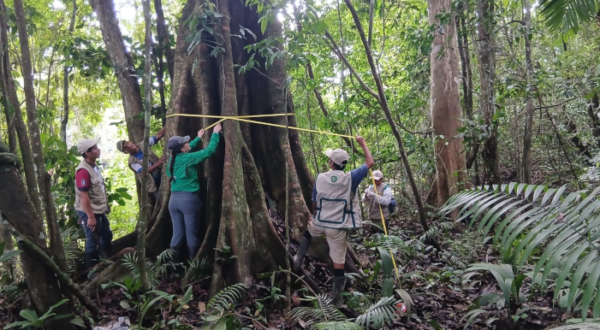
This initiative represents a first step towards understanding, valuing and disseminating the extraordinary richness of this group of animals and comprehending the important ecosystem benefits they provide to the maintenance of the forests that extend along the Yanayacu River.
Initial results confirm the high biodiversity present in the CCYM. A total of 27 nests were georeferenced, of which 73% have not yet been specifically identified. These nests were found in 19 different species of trees and palms, some of which are under intense pressure due to illegal logging.
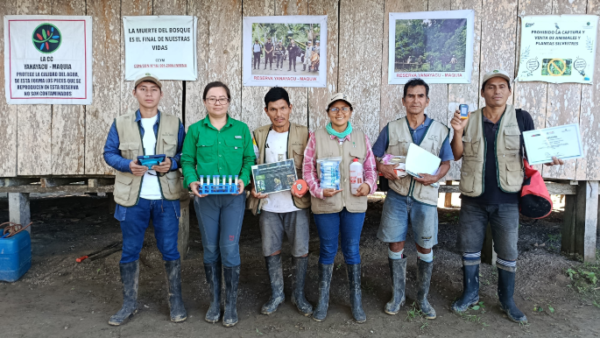
Over the years, the CCYM has attracted the interest of various organizations and researchers whose goal is to explore, understand, and contribute to the conservation of its extraordinary biodiversity. This time, the focus was on native stingless bees: a group of animals to which we owe far more than we imagine, and whose importance remains largely unknown to the general public.
Protecting bees is protecting forests, biodiversity, and ultimately, our own existence. Because we often forget that our lives also depend on them.
Full screen