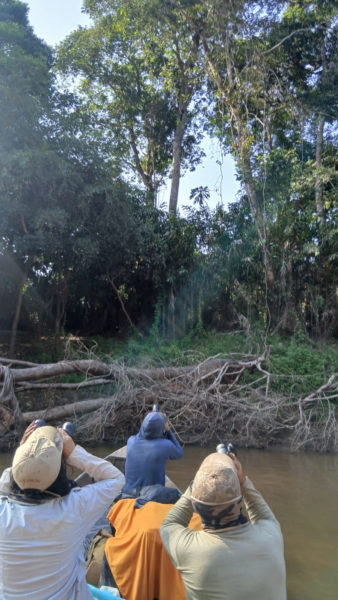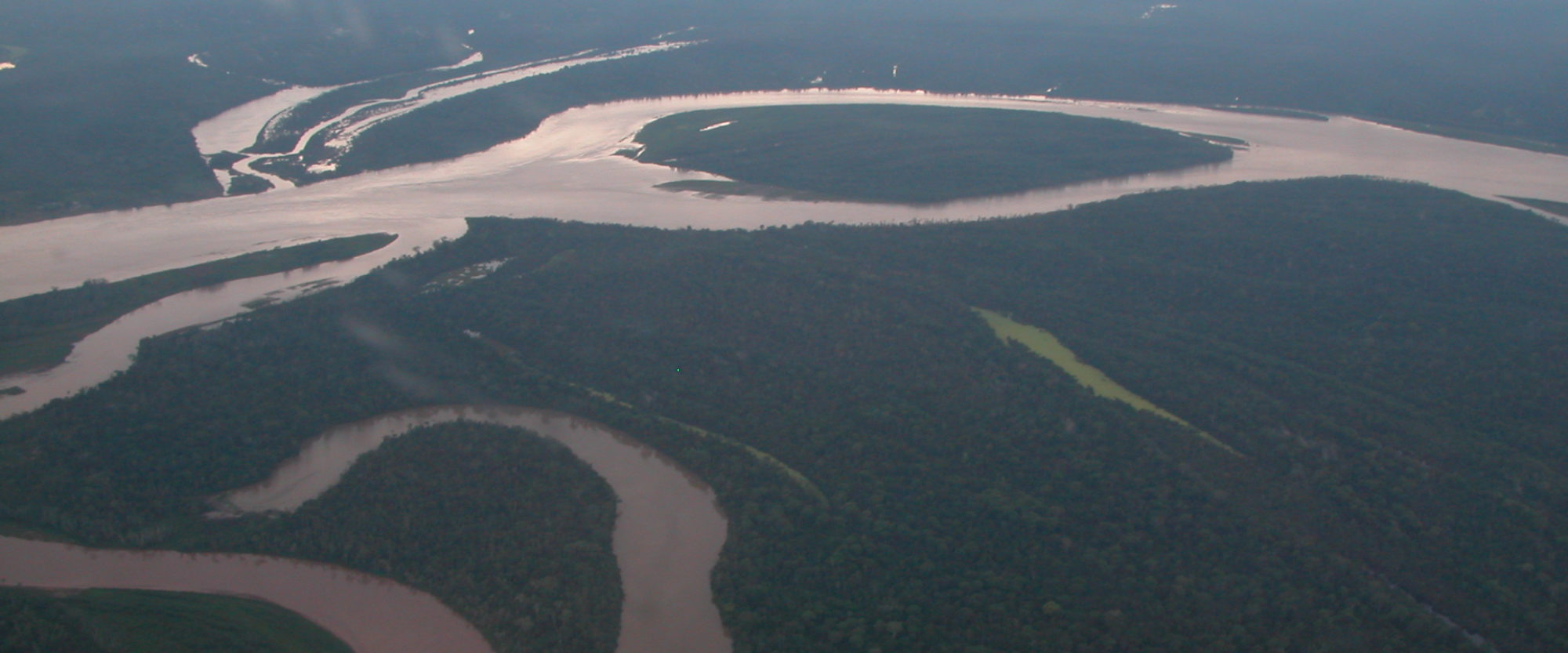

From August 26 to September 6, a team of primatologists from Proyecto Mono Tocón (PMT) carried out an expedition in the heart of the reserve, despite the difficulties caused by strikes in the Amazon, fuel shortages, and rapidly changing weather conditions.
One of the expedition’s objectives was to reach the source of the Romayne River, in the center of the reserve, an area of exceptional biodiversity. However, after two days of navigation, the team had to turn back: a severe drought had drastically reduced the river’s water level, making further progress almost impossible. Although the river channel had been cleared a few days earlier, the boats could barely move forward through the logs and branches, requiring considerable effort from the entire team.
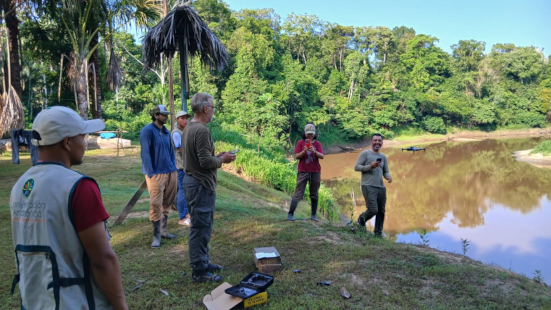
The expedition then continued in the Yanayacu sector, in search of the leoncito (Cebuella niveiventris), one of the smallest primates in the Amazon and classified as Vulnerable (VU) by the IUCN. Thanks to the excellent knowledge of the area gained by the forest rangers, who had been monitoring this species for several months, the primatologists were able to observe three leoncitos in a single tree.
In Maquia, the team continued its search for the black uakari (Pithecia sp.), also classified as Vulnerable (VU). Other primates were observed as well, including the white monkey and the musmuqui, along with other wildlife species.
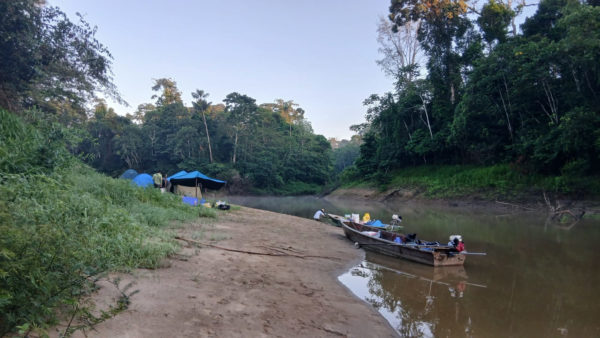
We now look forward to receiving the scientific report from the expedition and the remarkable images captured by the Proyecto Mono Tocón team.
Once again, this expedition demonstrates the importance of local knowledge and the daily work of forest rangers for scientific research and the conservation of Amazonian biodiversity.