The flooded savanna

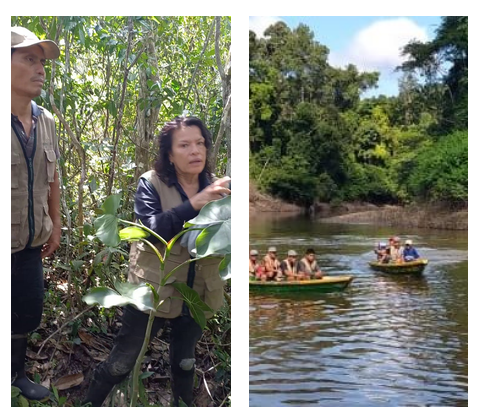
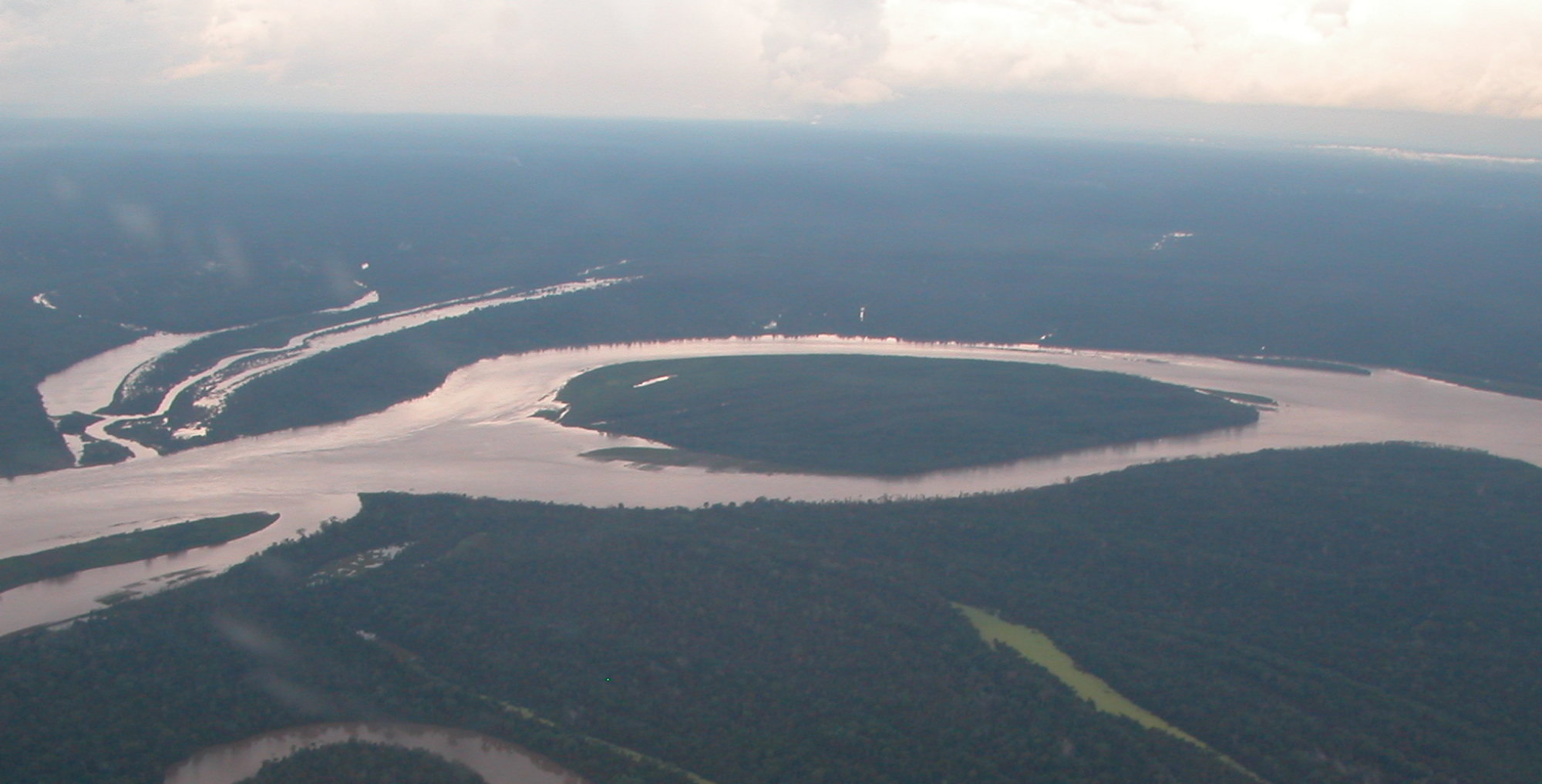
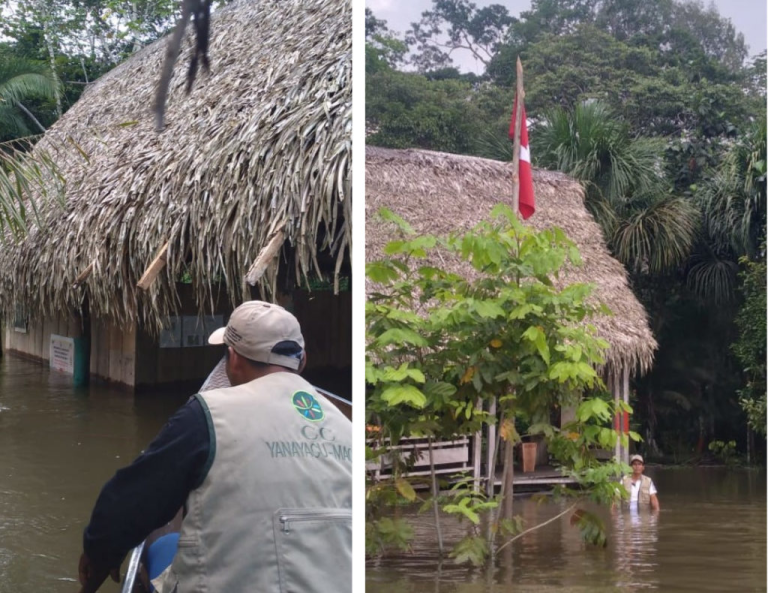
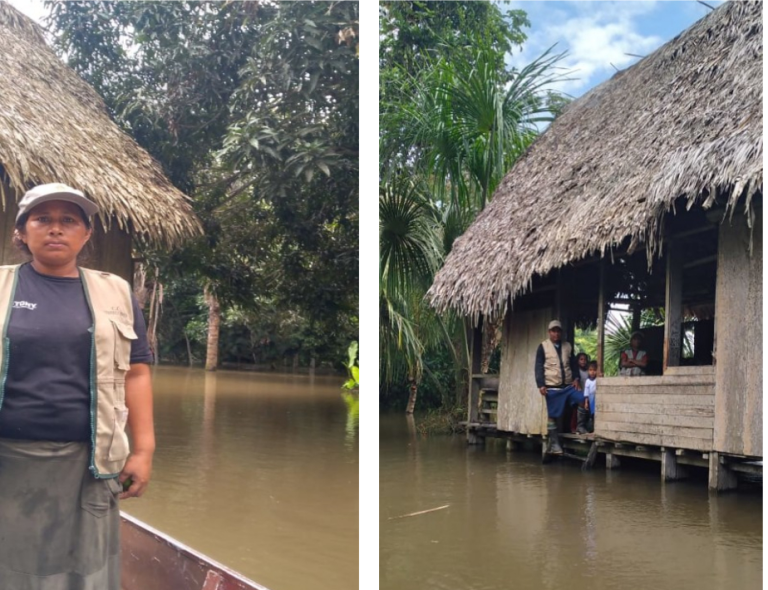
Since December, the rains have been intense. Forest rangers have watched the water levels rise gradually. The riverbanks—where boats and canoes once docked—are disappearing. There is no longer any dry land where the guard posts once stood, and the composting toilets are now completely submerged.
This winter is as severe as the one in 2011–2012, when floodwaters remained stagnant for two months, causing the death of a large portion of the 30,000 trees we had replanted alongside local communities. Yet, with determination and resolve, we began reforestation efforts again just a few months later.
It is now April 2nd, and we hope the rains will soon cease. Nevertheless, the villagers anticipate another rise in water levels as Easter approaches.
Wildlife is paying a heavy price. With the exception of monkeys, mammals such as white-lipped peccaries, collared peccaries, and deer are easily hunted by poachers. In their search for dry ground to rest on, these animals become vulnerable prey.

Forest ranger patrols have been stepped up, but the savanna is becoming increasingly difficult to monitor. Every nook and cranny has turned into an entry point for lawbreakers. Currently, the team of six forest rangers reports that most violations involve wildlife, while incidents of illegal tree felling have decreased.
Patrols and surveillance of the Yanayacu-Maquía Reserve in 2024

The protected area covers 38,699 hectares of tropical forest and is divided into two sectors: the Río Maquîa sector and the Río Yanayacu sector. Patrols have been carried out periodically, following regular routines that cover both the boundaries of the concession and internal trails. These patrols serve to familiarize personnel with the routes while gathering important information that needs to be reported. In addition, special, multi-day patrols have been conducted. These require specific efforts and resources—addressing particular or unforeseen circumstances—and necessitate tailored planning and logistics.The purpose of the patrols is to maintain a constant presence in order to monitor, control, prevent, and mitigate threats to biodiversity and the landscape. They also serve to provide crucial information that enhances understanding of the area and guides management decisions.

In 2023, eight interventions were carried out, in addition to three evictions of offenders. These interventions generally took place before the offenders had settled on the site, making the situation less dangerous and confrontational than evictions, which occur once offenders have already established their encampments. One group of fishermen was removed, but before their eviction, they set fire to a portion of the beach where they had set up camp. Another group attempted to destroy the park rangers’ boat, which had three people on board. Their rage was such that the resulting destruction would have affected not only the conservationists’ camps but also those of the offenders themselves.

There has been an increase in the number of fishermen in the reserve. They justify their presence by claiming that fish have become scarce in the rivers, making the concession their only alternative—one that offers both a diversity and an abundance of fish. While we are not opposed to controlled fishing, it is important to highlight that many offenders use toxic substances that destroy the aquatic ecosystem. We remain strictly committed to preserving the water quality within the concession, which serves as a habitat for species such as giant otters, black caimans, arapaima, arowana, and many others.

L’attribut alt de cette image est vide, son nom de fichier est Arbol-pintado.jpg.

Upon entering the protected area, intruders are often dazzled by the richness of its biodiversity—a variety of monkeys, macaws, ungulates, and more. Fifteen identified wildlife species appear on the IUCN Red List, and—according to DNA studies by Spygen—several other, as-yet-unidentified species also inhabit the area.

Reserve inspection

From July 29 to August 1, a visual inspection was conducted by OSINFOR (Supervisory Body for Forest Resources and Wildlife). The inspection covered infrastructure (control posts, equipment, and other materials), trails, and boundaries, as well as the two aguaje (Mauritia flexuosa) palm sectors designated for use this year. The inspectors were impressed by the number of aguaje palms bearing fruit, as well as the exceptional work performed by the forest rangers in clearing trails and conserving biodiversity. Additionally, black caimans (Melanosuchus niger), nests of yellow-spotted river turtles (Podocnemis unifilis), and a wide variety of monkeys and birds were observed.

L’attribut alt de cette image est vide, son nom de fichier est ARAS-2.jpg.
L’attribut alt de cette image est vide, son nom de fichier est foto1.jpg.

This inspection was also intended to cover the Maquia sector; however, due to low river levels in the Yanayacu sector, OSINFOR decided to limit the inspection to that area alone. Before reaching Lake Ampicocha (adjacent to the concession), our boat ran aground on sandbanks several times, requiring us to push it free in order to continue.

Despite the drought currently affecting the Amazon rainforest, it is encouraging to note that the forests within the Yanayacu-Maquia Nature Reserve retain their moisture, thanks to their dense, intact canopy. The absence of deforested areas allows the forest to protect itself and generate the humidity necessary to prevent forest fires.From July 29 to August 1, a visual inspection was conducted by OSINFOR (Supervisory Body for Forest Resources and Wildlife).

For planet Earth

Since 2006, through the association Biodiversité-Amazonienne, we have been committed to Mother Earth by conserving nearly 40,000 hectares of tropical rainforest in the Peruvian Amazon—a biodiversity hotspot.Reforestation with native species, both along the boundaries of the protected area and on the lands of neighboring communities;

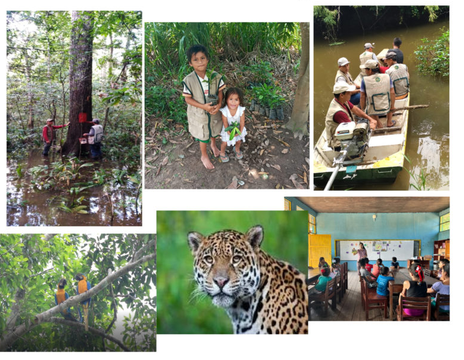
Ongoing reforestation within the concession perimeter and on community-held plots;Constant monitoring of the area. Our courageous rangers pour their heart and soul into their work, often facing hostility and callousness from those who break the law—individuals who frequently fail to grasp that the ancient shihuahuaco trees (Dipteryx micrantha)—found within the Yanayacu-Maquia conservation concession—exist precisely because the area is permanently protected, preventing deforestation.Raising awareness within local communities, especially among schoolchildren, as young people are often more receptive to the message of environmental conservation.

Scientific research: findings from 2023, based on environmental DNA (eDNA) analysis of local fauna, reveal an impressive diversity of wildlife. Among the species identified, 10 are listed on the IUCN Red List—including otters, jaguars, anteaters, and black caimans—alongside 17 types of monkeys and 25 species of bats. We take great pride in our efforts to protect Mother Earth.

DNA samples in the Yanayacu-Maquia Conservation Concession

Last March, we carried out a scientific mission in collaboration with our partner, Spygen, with the goal of collecting environmental DNA (eDNA) from wildlife in various bodies of water—both lentic (still) and lotic (flowing)—located both within and outside the Yanayacu-Maquia Conservation Concession (CCYM). After several months of waiting, we are delighted to share the results of these analyses with you. The objective of this collaborative project was to document the richness of the wildlife within the CCYM, laying the groundwork for future research on species listed on the IUCN Red List.

Significant results: The findings underscore the importance of preserving the concession, revealing the presence of 25 bat species and 17 primate species, among others. Thirteen of the identified species appear on the IUCN Red List. The giant otter (Pteronura brasiliensis) is the most threatened species, followed by the jaguar (Panthera onca). Other species, such as the bald uakari (Cacajao calvus), Nancy Ma’s night monkey (Aotus nancymaae), and the tapir (Tapirus terrestris)—the largest land mammal in the Amazon—are considered “vulnerable.”

A large number of DNA sequences could not be assigned to a specific species, but only to a genus or family; the species belonging to these identified genera and families are likely to be included on the IUCN Red List, which would increase the total number of threatened species present within the concession.

Overview of activities at the Maison de l’Amérique Latine in Paris

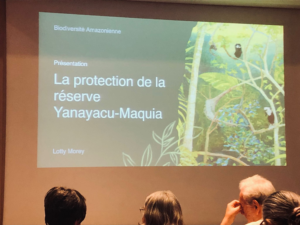
On Friday, July 7, the president of the association was invited to present the activities of the Yanayacu-Maquîa Reserve at the prestigious Maison de l’Amérique Latine in Paris.

The Peruvian Ambassador sent three representatives to the event; the audience was captivated by this project to conserve a portion of the Amazon, and new collaborative contacts were established. The presentation was followed by a Q&A session regarding the project.

Lotty, winner of the 2023 Terre de Femmes International Awards

Yves Rocher Foundation. April 15 at 11:09 AM

LOTTY MOREY, SPECIAL MENTION, TERRE DE FEMMES INTERNATIONAL.

This year, the theme for the Yves Rocher Foundation’s “Terre de Femmes International” Award was “Wetlands: Natural Spaces in Danger.” Meet Lotty and her fantastic project for the conservation of the Amazon rainforest! 40,000—that is the number of hectares of forest that Lotty is preserving through her organization, Biodiversité Amazonienne (Amazonian Biodiversity).

Since 2006, this French-Peruvian woman has been working alongside local populations to safeguard the Yanayacu-Maquia conservation concession.


“I embarked on this adventure on a whim. A friend recently said to me, ‘If you had stopped to think about it, you never would have accomplished all this!’” Lotty exclaims. We are thrilled to support Lotty in her efforts to preserve the Amazon rainforest!

DNA mapping in the CCYM with Spygen

Spanning 40,000 hectares and encompassing seven distinct forest types, the CCYM (a forest concession) boasts some of the richest biodiversity in the Amazon rainforest.

Since its establishment in 2006, numerous animal and plant species—many of which are endangered and listed on the “Red List”—have been observed there, including the giant otter, the pink river dolphin, and the huapo colorado tree. This biodiversity, previously documented only through direct observation, will now be scientifically cataloged with the help of our partner, the laboratory SPYGEN.

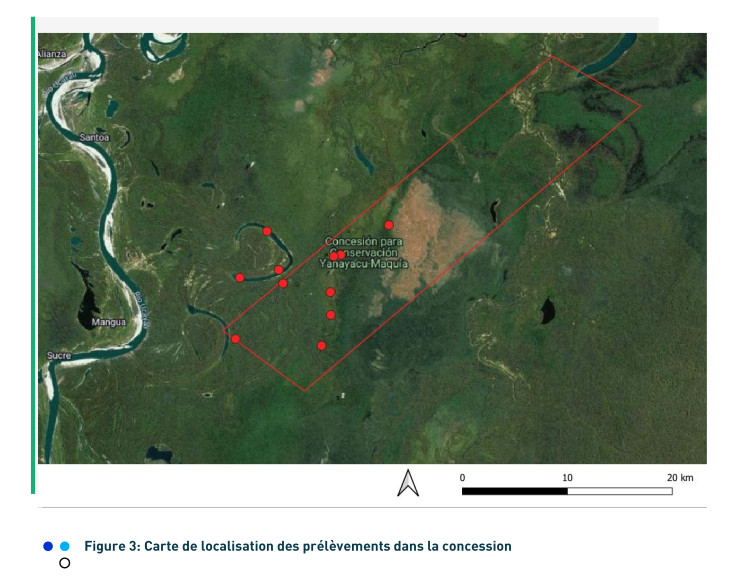
In collaboration with this French firm, we conducted a scientific expedition within the concession to collect samples from 12 water sites, including rivers, lagoons, and various types of peatlands. Samples were taken from a boat in flowing water, and from the riverbank in areas of stagnant water. Amazonian rainfall and unexpected encounters with individuals who had entered the concession illegally extended our planned four-day expedition to six days. Such unpredictability is simply part of life in the forest—but it did not stop us from successfully completing our mission! This collaborative effort between SPYGEN, Biodiversité Amazonienne, and Envol Vert aims to protect endangered species and advance scientific knowledge.

To this end, we collected DNA samples from the fauna within the CCYM, which SPYGEN will now analyze. This will allow us to gain a deeper understanding of the forests we are working to conserve, while also encouraging the academic and scientific communities to conduct further research in the area.

This data will provide us with specific information about the local fauna and help us implement protective measures for the most vulnerable species. The biodiversity observed during this 6-day expedition has left us eagerly awaiting the results of the analysis. We were able to spot various species of monkeys, a glass frog, and caimans—as well as jaguar tracks!

The peatland is drying out

A team from the organizations Biodiversité-Amazonienne and Envol-Vert carried out a mission in the Yanayacu-Maquîa Reserve from November 12 to 19, with the goal of collecting water samples from various locations within the concession for environmental DNA (eDNA) analysis.

This mission had been planned for many months, but we returned empty-handed. The rivers, streams, and lakes were at unusually low levels for this time of year, and as a result, the peatland was dry. We arrived at the peatland area around 9:00 a.m. and spent until 2:00 p.m. searching for damp peat for the SPYGEN laboratory; however, everything was completely dry—there was not a single drop of water. Given the time, and by mutual agreement among the team, we decided to turn back and return in February—during the height of the rainy season—when water levels typically reach their peak.

Accessing the peatland entails a high cost for both the association and our partners, not to mention the lengthy government procedures required to obtain the legal permits for collecting water samples. CLIMATE CHANGE IS A REALITY. IT IS A POTENTIAL THREAT. The peatland in the Yanayacu-Maquîa reserve stores billions of tons of carbon. Its disappearance would exacerbate climate change by releasing methane—along with thousands of years of planetary history—into the atmosphere. A team from the associations Biodiversité-Amazonienne and Envol-Vert carried out a mission in the Yanayacu-Maquîa reserve from November 12 to 19, with the goal of collecting water samples from various points within the concession for environmental DNA (eDNA) analysis.

This potential threat is linked to global warming—specifically, to the disruption of rainfall patterns. Reduced rainfall would cause the area to dry out, allowing the peat to continue decomposing; or, worse yet, it could even catch fire, especially during storms.

GCF Taskforne meeting in Moyobamba

From October 9 to 13, an experience-sharing event hosted by the Governors’ Climate and Forests (GCF) Task Force took place in the city of Moyobamba, in the San Martín region!
Representatives from 11 regions—part of a vast national network for voluntary and community-based conservation—came together in San Martín to participate in this meeting of the international Governors’ Climate and Forests Task Force.

Following a national gathering in the city of Tarapoto, we embarked on four days of intensive and enriching exchanges with participants from 10 countries, all of whom are dedicated to protecting tropical forests within their own territories. We shared stories and personal accounts of our commitment to conservation. We also signed the “San Martín Declaration,” joining a coalition of 39 subnational governments from 10 countries—along with various organizations and cooperation partners—in a shared commitment to reduce tropical deforestation globally. Iván Isuiza, the head ranger of the Yanayacu-Maquîa Reserve, was at his booth showcasing some of the reserve’s diverse biodiversity; he tirelessly explained the medicinal properties of various tree barks, captivating listeners with insights into the richness of the area.

Alongside him, coordinator Milenka Rojas was equally enthusiastic about sharing information about the reserve. Together, they made an excellent team, working toward the common good.